Dominic Maisano | September 29, 2026
September 29, 2026
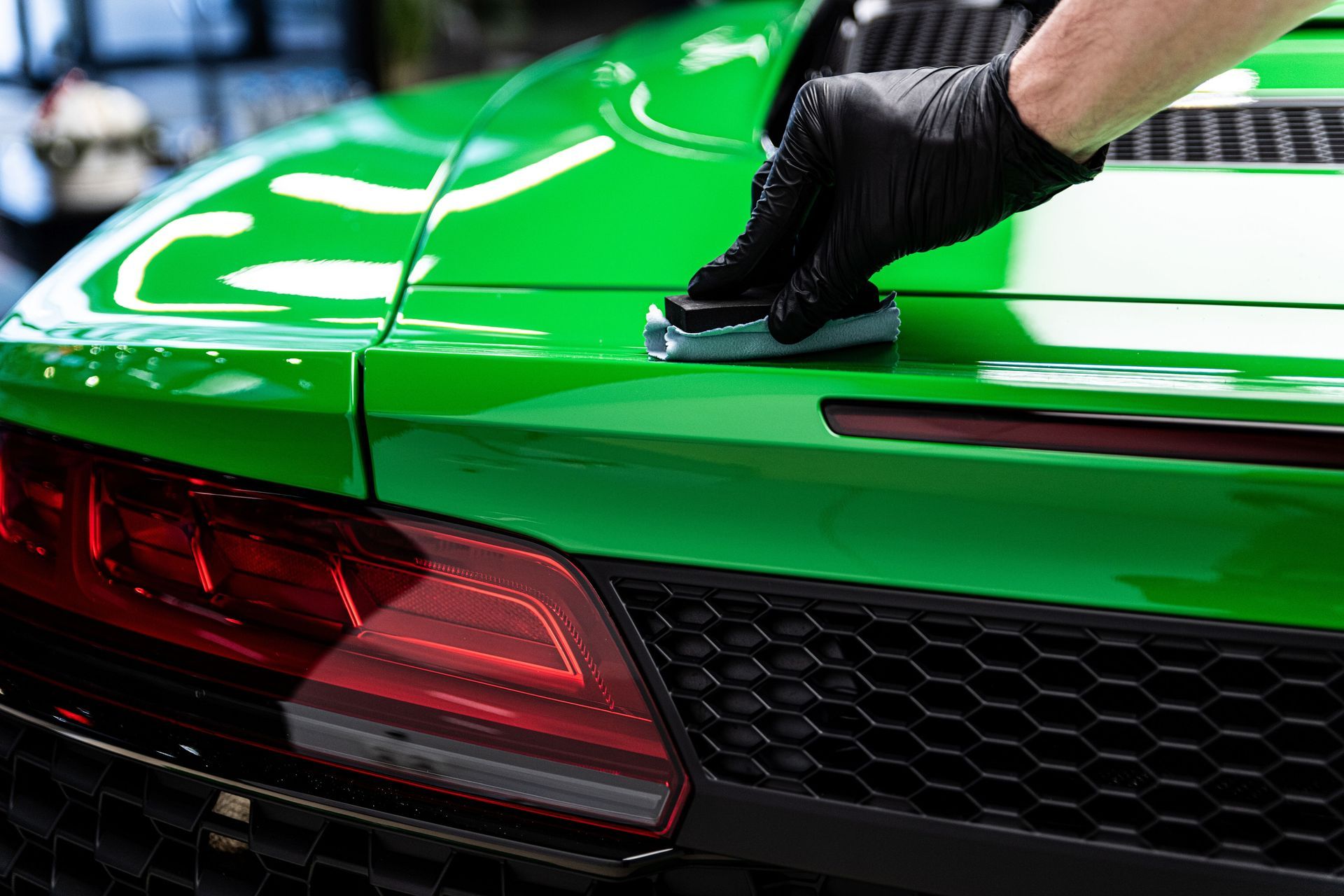
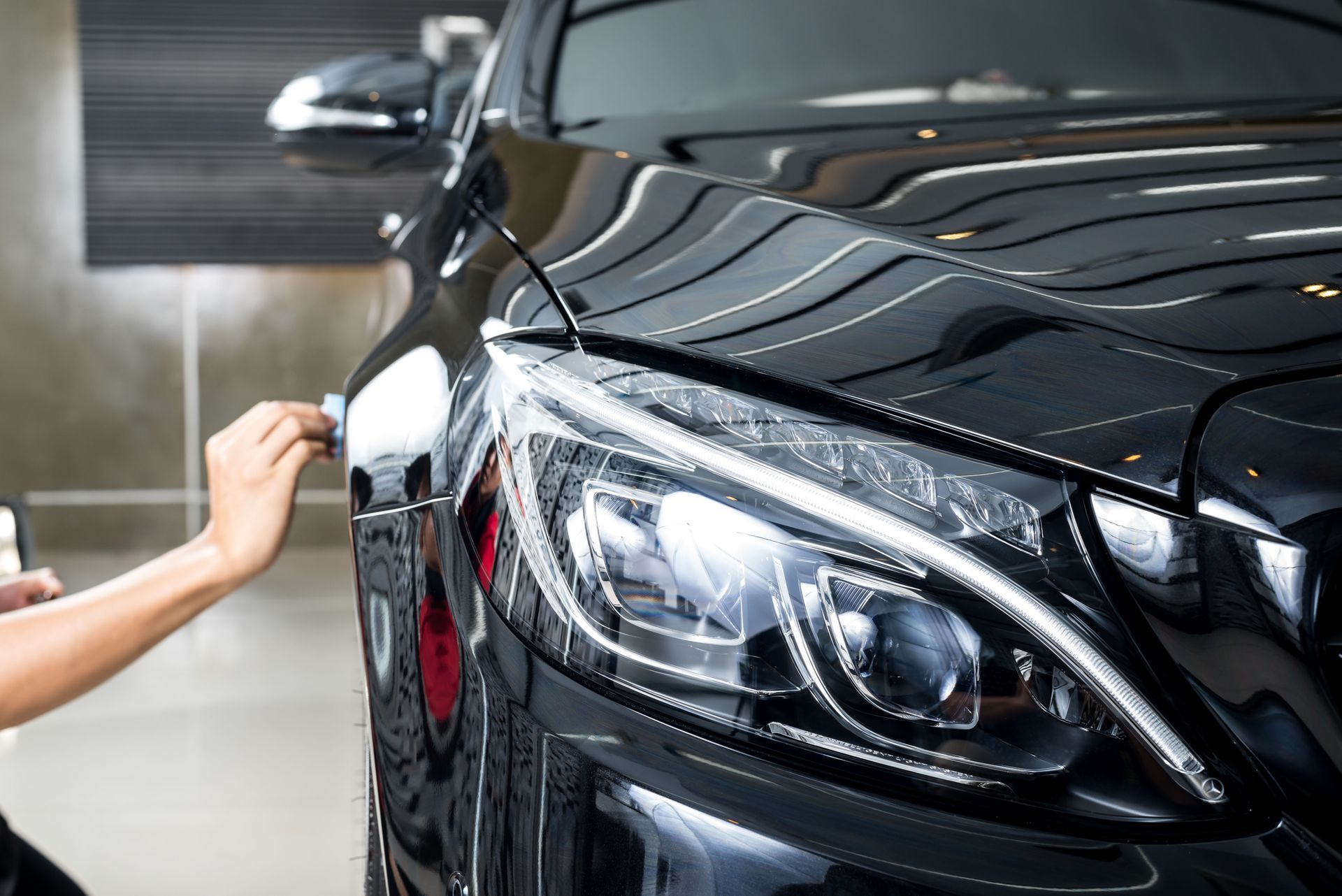
Ceramic coating is a liquid protective treatment applied to a vehicle’s painted surfaces to create a durable, bonded layer over the existing finish. Most automotive ceramic coatings use silicon dioxide, often referred to as silica or SiO2, as a primary component. Once properly applied and cured, the coating chemically bonds with the surface and forms a protective layer that is considerably more durable than traditional wax.
The coating does not replace the vehicle's clear coat or create an impenetrable shell around the paint. Instead, it adds another layer of protection over the factory finish. Its chemical properties also give the surface hydrophobic characteristics, causing water and other liquids to bead and run off more readily.
Proper preparation is an important part of the process. The paint typically needs to be thoroughly washed, decontaminated and dried before application. Depending on the vehicle's condition, paint correction may also be necessary to remove or reduce scratches, swirl marks and oxidation. Applying ceramic coating over an imperfect surface can effectively preserve those imperfections beneath the coating.
Once cured, the coating creates a smooth, glossy surface that can help protect the paint from everyday environmental contaminants. This combination of durability, appearance and water resistance is a major reason ceramic coating has become increasingly popular among vehicle owners.
Why Should You Consider Ceramic Coating for Your Vehicle?
One of the primary reasons to consider ceramic coating is its ability to provide long-term protection against many of the contaminants a vehicle encounters regularly. Road grime, dirt, bird droppings, tree sap and other substances can adhere to automotive paint and potentially damage the finish if they remain on the surface for extended periods.
A ceramic coating makes the surface more resistant to contamination and easier to clean. Rather than aggressively scrubbing accumulated grime from the paint, owners may find that routine washing removes contaminants more easily. This can make regular vehicle maintenance less time-consuming.
Appearance is another significant advantage. A properly prepared and coated vehicle can have a deep, glossy finish that emphasizes the clarity of the paint. Because the coating creates a smooth surface, it can also produce a distinctive water-beading effect during rain or washing.
Ceramic coating can also complement other automotive protection measures. For example, some owners combine paint protection film on vulnerable areas such as the front bumper and hood with ceramic coating over the rest of the vehicle. The two products serve different purposes, with paint protection film providing physical protection against impacts while ceramic coating focuses more heavily on chemical resistance, hydrophobic properties and ease of maintenance.
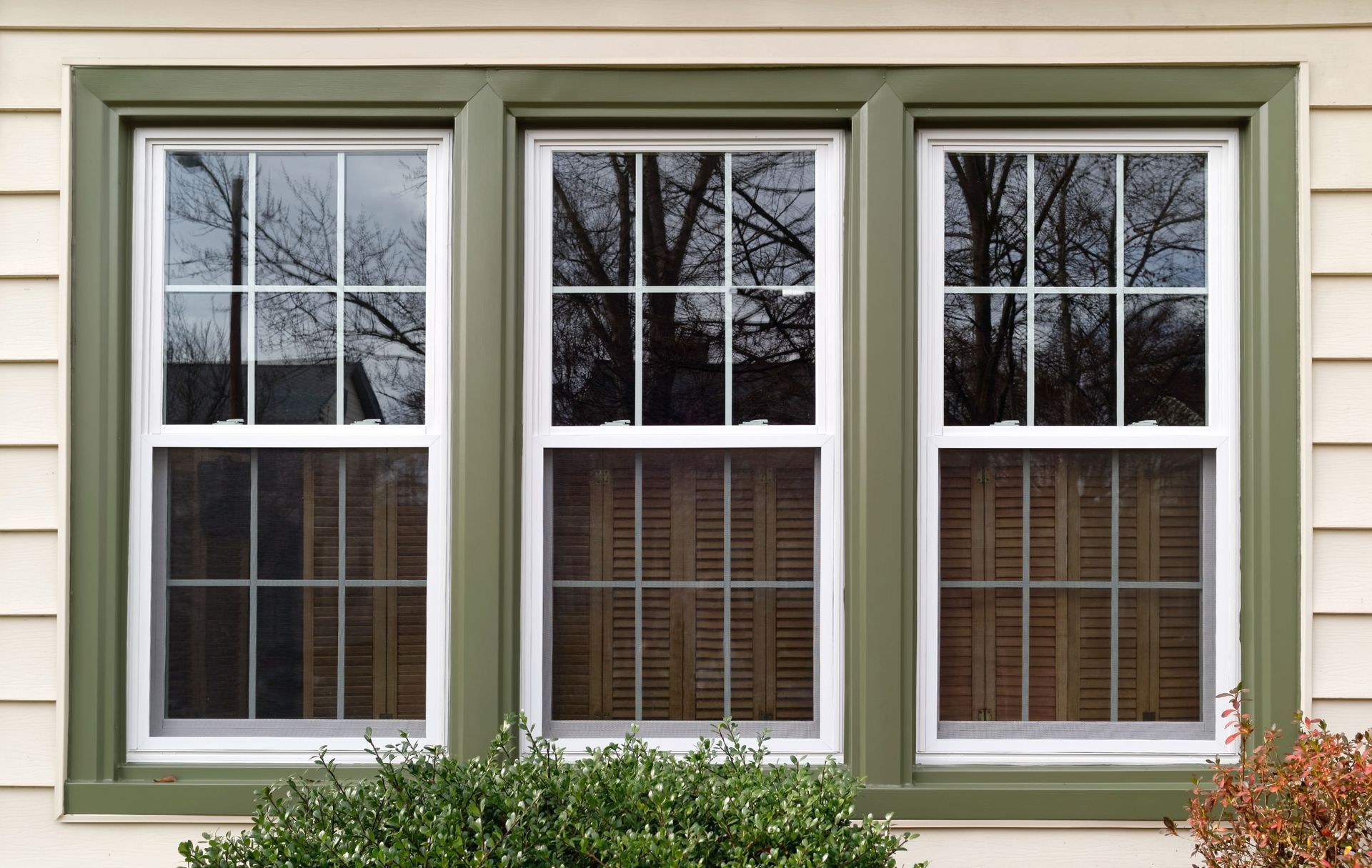
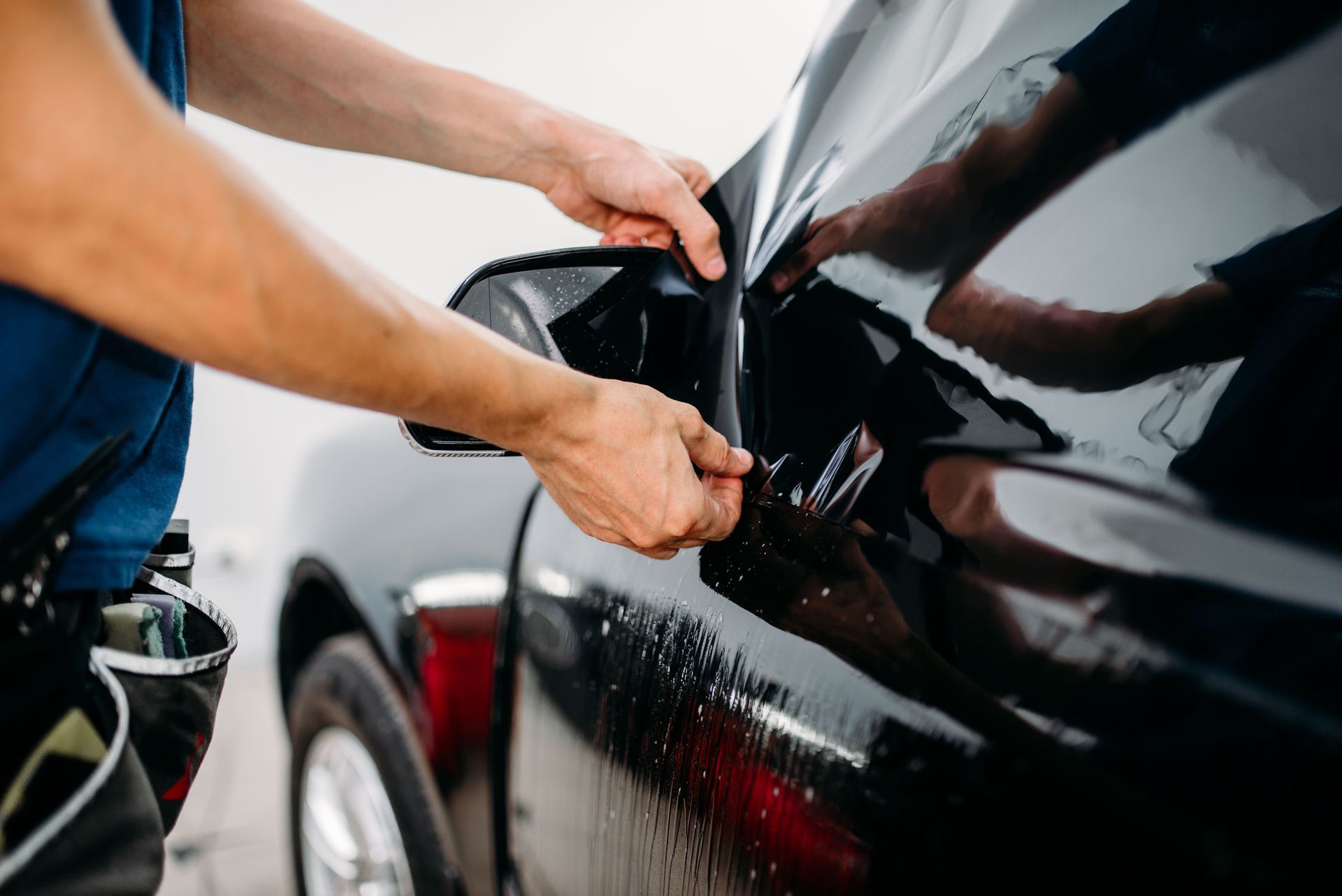
The benefits can extend beyond paint, too. Specialized coatings are available for glass, wheels, trim and other surfaces. According to AAA, ceramic auto window tint can reduce a vehicle's interior temperature by as much as 50%, demonstrating how modern automotive surface treatments can provide benefits beyond simply improving exterior appearance.
How Does Ceramic Coating Compare to Waxing and Other Protective Methods?
Traditional wax remains useful for vehicle owners who want an inexpensive way to improve shine and provide temporary protection. However, wax generally needs to be reapplied relatively frequently because exposure to washing, weather and environmental contaminants gradually diminishes its protective properties.
Paint sealants occupy a middle ground. They are generally formulated to provide longer-lasting protection than conventional wax while still offering a relatively straightforward application process. However, they typically do not provide the same longevity associated with a professionally installed ceramic coating.
The major distinction with ceramic coating is durability. Rather than simply sitting on top of the paint as a temporary protective layer, a properly applied coating chemically bonds to the surface. This allows it to remain effective for substantially longer than many traditional wax products.
That does not mean ceramic coating is automatically superior for every situation. Wax can make sense for someone who enjoys detailing their vehicle frequently and wants the flexibility to change products or finishes. A sealant may appeal to owners looking for a compromise between durability and cost.
Ceramic coating is generally better suited to people who want to reduce the frequency of protective applications and make routine washing easier. The choice ultimately depends on how much time an owner spends maintaining the vehicle, how long they intend to keep it and how much they are willing to invest in protecting its appearance.
What Are the Misconceptions About Ceramic Coating?
Despite its popularity, ceramic coating is sometimes marketed as though it provides virtually unlimited protection. In reality, it has important limitations.
For example, ceramic coating does not make automotive paint immune to scratches. A coating can provide some resistance to minor surface contamination and abrasion, but it should not be considered a substitute for paint protection film when the primary concern is stone chips and physical impacts.
Ceramic coating also does not eliminate the need to wash a vehicle. Its hydrophobic properties can help prevent contaminants from bonding as strongly to the surface, but dirt, dust and road film can still accumulate. Regular washing remains necessary to keep the vehicle clean and the coating performing properly.
Another misconception is that ceramic coating can permanently correct damaged paint. The coating itself does not remove scratches, oxidation or swirl marks. In fact, preparation is one of the most important parts of achieving a good result. If the paint needs correction, those imperfections should generally be addressed before the coating is applied.
There are also differences between products and installation methods. Consumer-grade coatings, professional coatings and products marketed under similar terminology can have substantially different formulations, durability and application requirements. A coating's advertised lifespan should therefore be viewed as an estimate rather than a guarantee.
Understanding these limitations helps establish realistic expectations. Ceramic coating is a durable protective treatment, not an invisible force field for automotive paint.
Is Ceramic Coating Worth the Investment?
Whether ceramic coating is worth the investment depends heavily on the vehicle and its owner. Someone with a new vehicle who plans to keep it for many years may place considerable value on maintaining the factory paint. In that situation, the combination of easier maintenance, improved appearance and long-term protection can make the investment appealing.
The calculation can be different for an older vehicle or one that is already heavily scratched, oxidized or otherwise cosmetically compromised. Applying a coating to neglected paint without addressing those problems first may produce disappointing results. Depending on the vehicle's condition, the cost of preparation and correction can also become a substantial portion of the overall installation price.
Driving habits matter as well. Vehicles that spend considerable time outdoors, accumulate road grime or encounter harsh environmental conditions may benefit from having an additional protective layer. Garage-kept vehicles that are washed carefully and frequently may face less exposure to contaminants, although their owners may still appreciate the coating's appearance and maintenance benefits.
Long-term ownership is another important consideration. If a vehicle is sold after a short period, an expensive professional coating may provide less personal value than it would for someone planning to keep the same vehicle for a decade. Conversely, someone who takes pride in keeping a vehicle exceptionally clean may consider
ceramic coating part of the overall ownership experience.
Ceramic coating has become a popular alternative to traditional automotive protection because it combines durability, hydrophobic performance and a glossy appearance in a single treatment. When applied to properly prepared paint, it can help reduce the effort required to maintain a vehicle while providing longer-lasting protection than many conventional waxes and sealants.
Its limitations are equally important to understand. Ceramic coating cannot prevent every scratch, eliminate the need for washing or protect against serious physical impacts. Proper preparation, application and ongoing maintenance remain essential to achieving the best results.
For owners who plan to keep their vehicles for years and place a high value on preserving their appearance, ceramic coating can represent a worthwhile long-term investment. The right choice ultimately depends on the vehicle, driving conditions, maintenance habits and expectations of the individual owner. If you're looking for quality ceramic coating, reach out to the team at Protective Films Michigan today!